Last Updated:
Dec 11, 2025
Understanding the Winter Shipping Landscape
Hauling a vehicle during winter is associated with exposure to freezing conditions, ice, and sluggish logistics timing, which is why one must organize it beforehand and collaborate with the pre-vetted partners that are aware of the technicalities of seasonal transportation.
Why Seasonal Preparation Matters for Vehicle Shipping
The winter season presents a risk profile of more risk, given the lack of traction, limited visibility and mechanical difficulties because of temperature necessitating shippers to depend on professional procedures to keep vehicles intact in the course of long distance transportation.
Key Winter Risks That Affect Vehicle Transport Safety
Cold weather may affect tire pressure, battery life, and viscosity in fluids, and icy roads may add more time to the transit time, and these points demonstrate the significance of picking good providers and making sure the cars are ready before pick-up.
Selecting the Right Carrier for Long-Distance Winter Moves
Selecting a carrier that has a record of successful winter logistics operation makes it possible to have all the safety precautions, load securements and contingency plans in place to address any such cold season hurricanes.
The Importance of Route Planning in Winter Vehicle Shipping
Weather systems, road conditions and patterns of congestion are analyzed by efficient winter routing to expose carriers to hazardous areas and allow them to manage schedules and remain within safer transit windows.
Why Experience Matters in Seasonal Transport Operations
Diversified winter transportation demands particular operators who are conversant with the load balancing, equipment preparation, and risk management policies that reduce damages when doing cross country transportation.
Step-by-Step Guide to Prepare Your Vehicle
Vehicle owners must check tires, confirm that the fluid level is suitable in winter, charge the battery, clear the car or caravan of personal items, and write a detailed report of the car condition to make a complete pre-shipment report.
Packaging and Protection Options During Cold Climbs
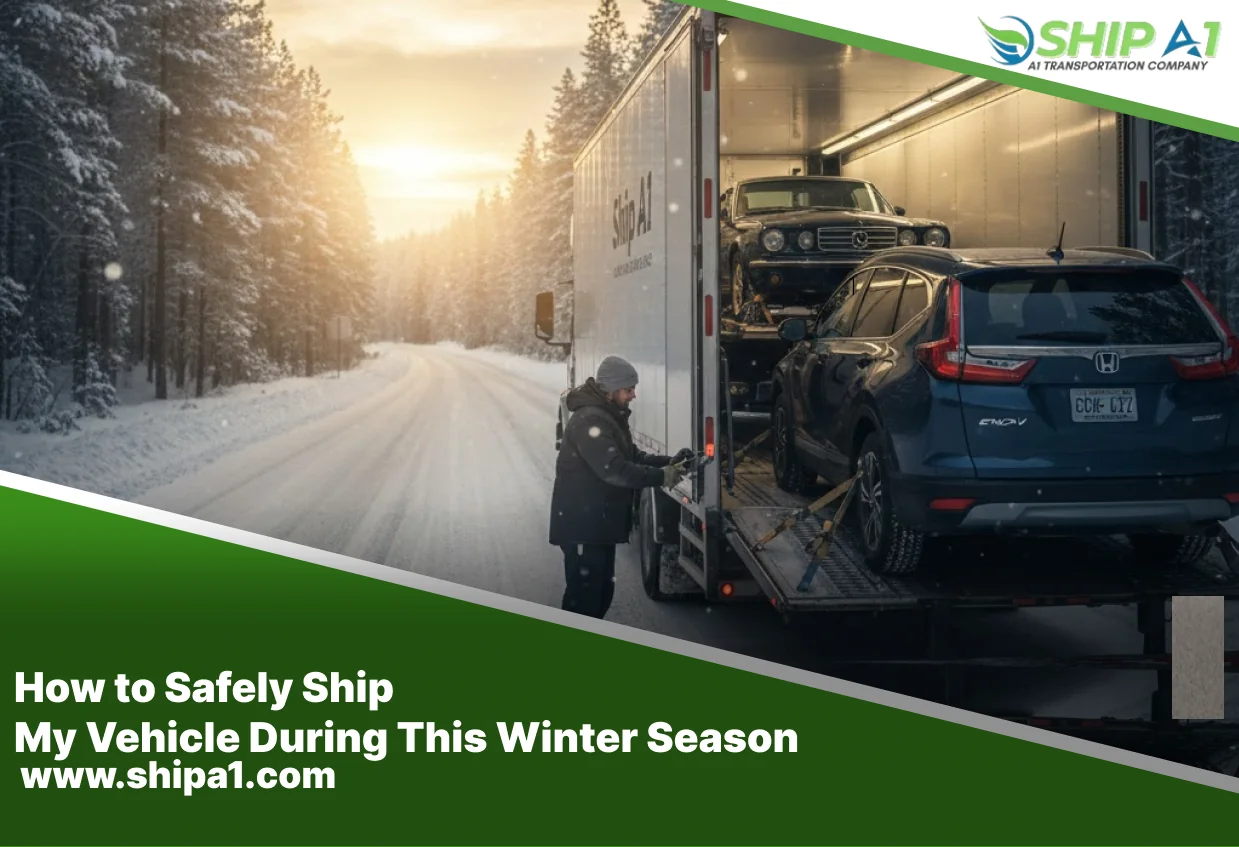
Covered transport is usually a suggestion in winter transportation due to the fact that the vehicle is not exposed to road salt, freezing winds, snow, and ice, which can cause corrosion or cosmetic damages to the vehicle on such long trips.
Why Documentation Is Crucial Before Winter Pick-Up
Good inspection reports, photos and hand over notes are the necessary documents to prove insurance coverage especially when weather complexity requires more thorough and confirmed tracking of the conditions.
Understanding Transit Insurance for Winter Shipping
Winter shipping is high-risk due to high exposure to the unpredictable elements in the environment and an addition of insurance cover would be a good measure to ensure that a ship is not affected by unpredictable weather conditions.
Leveraging Technology for Weather-Aware Transport
The current tracking devices, real-time information, and predictive weather applications can help carriers to anticipate storms, freezing weather and adjust routes and timing to enhance safety and reliability.
The Value of Real-Time Tracking for Customer Assurance
Shipment visibility gives customers an advantage to keep an eye on the location, temperature ranges, and estimated arrival times due to the use of GPS-connected dashboards, which becomes especially crucial when winter weather stretches the transit time.
Using Professional Services for Cross-Country Winter Moves
Customers looking to ship cars across the country during winter should prioritize carriers that offer winterized equipment, temperature monitoring, and reinforced loading mechanisms designed for cold-weather travel.
How to Evaluate Carriers in Cold-Season Logistics
Visiting the websites of transport companies, the customers must examine safety rating, winter experience, fleet condition and customer reviews to make sure that the company is capable of fulfilling the needs of seasonal vehicle transportation.
Understanding the Role of Service Specialization
Most suppliers provide diversified logistics solutions, such as car delivery businesses tailoring winter transportation schedules and modifying the classic work processes related to transportation to the conditions of the season of freezing.
Choosing Qualified Operators for Multi-Vehicle Logistics
Auto transport companies that are well operationalized are in a better position to cope with winter fluctuation since they have trained drivers, calibrated machines and sophisticated route calculation systems with respect to cold weather.
Shipping Vehicles Purchased from Auctions
Customers requiring auto auction transport during the winter season must consider time-sensitive pick-ups, protected loading procedures, and enhanced verification checks that safeguard newly purchased vehicles in unpredictable weather.
Moving Large Machinery and Commercial Assets
Businesses that depend on heavy equipment transport must account for weight distribution, frozen ground conditions, and moisture protection, making winter-specific hauling protocols essential for operational continuity.
Winter Considerations for Industrial Freight Loads
Organizations that depend on freight transportation services must ensure that their logistics partner maintains stable scheduling flexibility, environmental controls, and risk-mitigation plans during winter surges.
The Role of Trusted Brands in Managing Winter Shipping
The well-regarded firms like Ship A1 Auto Transport have winter-ready equipment, trained drivers, and well-developed planning systems, which allow customers to count on a good performance even in harsh seasonal conditions.
Ensuring Consistent Communication Throughout Transit
Effective communication is also important since weather changes can occur very quickly altering routes or schedules, and passengers are pleased when carriers constantly update them to encourage expectations at every phase of shipment.
Final Vehicle Checks Upon Delivery
Upon unloading, the customer must check his or her vehicles against any traces of residue that might have been left by winter, and test the mechanical performance and look into the delivery report to confirm that the condition of the vehicle is in line with the pre-shipment records.
Seasonal Shipping Tips for Budget Optimization
Customers may save transportation costs in winter by early booking, flexible timing and carriers with bundled services or with optimized route structure to best meet cold-season logistics.
When to Choose Enclosed vs. Open Transport
Enclosed carriers offer greater protection during severe winter weather, whilst open carriers are economical; a customer ought to consider value depending on the severity of weather, type of vehicle and distance of transport.
Preparing Commercial Fleets for Multi-State Winter Shipping
Firms transporting several units should make sure that cars are winterized, documents are standardized, and trucks have the fleet capacity and the ability to operate under heavy load on an annual basis.
The Also-Critical Role of a Second Trusted Provider
The collaborative efforts with reliable partners, like Ship A1 Auto Transport, can be used to make sure that an intricate or multi-reason winter shipment is in-line with the safety and performance guidelines.
Long-Distance Vehicle Storage Considerations
In case of weather issues delaying deliveries, the customers might require temporary storage; facilities that are winter resistant and have the climate protection, secure access, and monitored environments would guarantee the safety of assets until the end of the final delivery.
Sustainable Practices in Winter Logistics
The issuers of modern transport are adopting the fuel systems based on eco-friendly technologies, streamlined routes, and reduction of emission technologies, which allows supporting both performance and environmental sustainability in winter operations.
Final Words for Winter Vehicle Shipping
Effective winter shipment experience will depend on proper planning, preparation, reliable carriers and well-organized risk management strategies that make sure vehicles can reach safe destinations despite bad conditions of the season.