

Aug 05, 2026

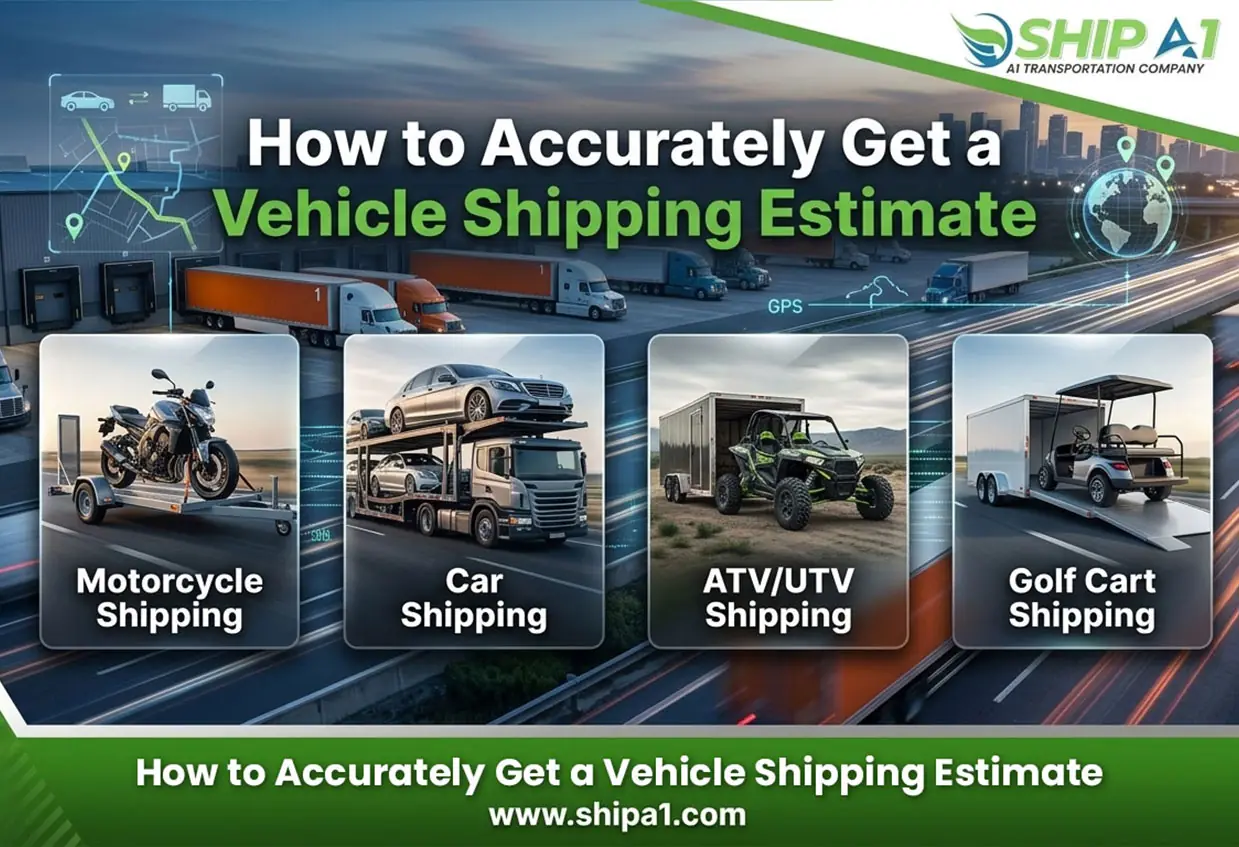
When prices fluctuate from one carrier to another, throughout the year and from one route to another, a reliable vehicle shipping estimate can appear daunting. It is common for many drivers to take the first quote along without grasping what factors impact pricing, and, as a result, receiving unexpected delays or hidden fees. It is more effective to research pricing models, confirm the methods of transport, and grasp the effects of travel distance, timing and type on pricing. Ship A1 Auto Transport ships help customers better understand the factors involved and make the estimates process easier to assess prior to booking a ship.
A shipping estimate provides sufficient detail for the customer to plan and budget, compare shipping companies and prevent any unexpected charges after pickup. Precise quotes also let you know if a firm is built-in any additional charges like insurance, fuel surcharges, expedited delivery charges, or terminal handling expenses into their total rate. If the estimates are not full, customers will end up paying a lot more than they were expecting to pay when the transport is actually operational. There should always be a professional estimate that includes information about services provided and possible conditions that might impact the final bill.
When requesting a shipping quote, have key information concerning your route and vehicle handy. The usual information required for transport is the make, model, year, condition of the vehicle, pick up location, destination and preferred shipping date. Knowing the right information enables carriers to calculate their trailer needs and fuel costs. Consumers should also indicate if the vehicle is operational or not, as they will need extra loading equipment in case of a non-running vehicle, and this will incur higher costs.
The overall estimate is highly dependent on the mode of transport. Open carriers are cheaper as they move multiple vehicles at once at one time, which decreases operating expenses on each vehicle. Enclosed carriers offer additional weather, road debris and protection from the environment and are ideal for luxury, classic, and exotic vehicles. Enclosed transport may be more expensive, but for high dollar cars that require careful handling to make long-distance travel safe.
The rates for vehicle shipping vary from month to month due to varying requirements for shipping vehicles during different travel seasons. The summer months are usually when the most demand is made as families move, moving students to and from college, and transportation of inventory to dealerships is ramped up. In the northern states, winter weather also can affect delivery schedules and fuel costs. During slower times of the year, customers can expect to get more competitive estimates since there are more trailers available.
One of the biggest price considerations is the distance the goods are shipped but they also play a big role in route accessibility. Carriers providing services to urban areas tend to have lower rates as they can consolidate shipments over urban areas. Access to rural pickup/delivery areas might be more difficult, could cost more because of limited access and extra driving time. Deliveries to more remote regional destinations are typically more costly than interstate routes with large volumes of transportation.
Larger vehicles require more space in the trailer, and heavier loads on transporting equipment, that drive up carriers' fuel use. If you are shipping an SUV, a truck, a van or lifted vehicle, expect to pay more than you would if you were shipping a compact sedan, as these will take up less trailer space than the compact sedan. Roof racks, oversized tires, and custom body kits are other modifications that can make transporting an oversized vehicle more complex and insurance-wise.
One of the most underrated items in an estimate for shipping is the insurance. Before any customers book any transport, they should always check with the carrier what their liability cover is. A good company will have documentation that shows what sort of damage is covered when loading, in transit and on unloading. As customers read the insurance terms, they will gain insight into the deductibles and exclusions, as well as the claims process, before the shipment begins.
One of the best ways to determine fair pricing and reliable service quality is to make multiple estimates. If your quote is very low, it could mean that there are hidden costs, that the carrier is inexperienced, or that they are not providing realistic delivery dates. Price is not the only consideration customers should make when choosing a vehicle dealer; they should consider licensing, insurance verification, customer reviews, communication quality, and delivery guarantees. A balanced comparison allows for a more accurate picture of value over time, not the value of a single year only.
Fuel costs are directly related to transport pricing due to the long interstate transportation journeys and heavy loads transported by carriers. With an increase in fuel prices, shipping estimates tend to go higher to cover up operating costs. Fuel surcharges may be something that is added to the estimate or it's included in the estimate. Customers need to request the calculation of fuel adjustments in advance to avoid any unwarranted increases in the amount of fuel collected or delivered.
With flexible schedules, carriers can use the best routes and routes of least cost, leading to lower shipping costs. People who need to have their items picked up on specific dates or want them delivered quickly typically pay higher prices, as they have higher scheduling requirements. A flexible pick-up window provides more time to the coordinator of transport to merge shipments and cut down on operating expenses. This flexibility usually makes for better pricing opportunities for standard deliveries of vehicles.
The convenience of terminal-to-terminal transport is that customers must deliver and pick up cars from set off loading and unloading areas, which can lower the costs. Door-to-door shipping is more convenient as the carriers pick up and drop the vehicles in a closer area to the customer's desired addresses. While door-to-door service typically can be more expensive, many consumers value convenience and time savings of direct delivery.
When a transport company refuses to give you a written quote, insurance information or licensing information, it's a bad sign that they're not a company you should work with. Other red flags include offering large upfront deposits, vague pricing structures, and unrealistic delivery promises. Professional carriers clearly explain their pricing and communicate throughout the booking process. Customers can conduct research on reviews and check federal registration details to ensure that they're not taken aback by unreliable transportation providers.
Correct preparation can ensure the vehicle is not delayed and incurs no extra charges during transport. All customers are requested to wash the vehicle, clear away personal effects and conduct a visual inspection of the car prior to pick up, taking a clear photo of existing damage. Fully filling the fuel tank is unnecessary and makes the vehicle heavier, but it also makes it difficult to load and unload safely.A partially filled fuel tank will reduce the weight of the vehicle, and will allow the loading and unloading to be done safely. Good preparation also makes the inspection a breeze at delivery.
Digital tracking systems are becoming commonplace in modern shipping and enable customers to keep track of their shipments' progress. GPS tracking ensures better communication and offers estimated arrival notifications en route. Another benefit of online quote calculators is that they make the quoting process easier by creating a preliminary quote based on the route and vehicle information. These tools are designed to be used for increased transparency and help customers make more informed shipping decisions.
Ordering in advance, being flexible with your pickup dates and choosing open shipping rather than enclosed shipping will help you save on shipping costs. Avoiding the remote rural areas and selecting major transport routes could also lead to a drop in rates. Several verified estimates can help give you a better idea of market pricing and help avoid paying for regular services. Many customers will also save money by avoiding peak relocation periods such as the months of June, July and August when transport demand peaks.
It is important for each customer to read the transport agreement thoroughly prior to booking. The terms of cancellation, expected delivery times, payment conditions, inspection process and carrier's liability during transit are explained in the contract. Knowing these things helps to clarify any miscommunication and enables customers to be ready for any schedule changes that may be needed due to weather or traffic. A written agreement also helps to document the agreement, safeguarding both the customer and the carrier during the transportation process.
When you're looking for the ideal transport provider, you can't just choose on price. Consumers should look for carriers that have good customer reviews, are licensed, have clear communication and offer specific contracts that outline the services. Good companies will be able to give you the details of the quote and will be able to keep you in the loop on the entire shipping process. Ship A1 Auto Transport remains at the forefront by educating their customers on the pricing of transport, without adding extra needless confusion or hidden costs.
To estimate vehicle shipping accurately, it's essential to comprehend the various factors that affect transportation expenses. The final rate is determined by a number of factors including distance, season, vehicle size, transportation method, insurance coverage and scheduling flexibility. The more thoroughly customers understand what the different companies are offering and compare clear estimates, the better they will be able to get a reliable ride for a fair price. Knowing the process prior to booking a transport can help to alleviate stress and make the shipping process smoother.
What factors determine the cost of moving a car to another state?
Pricing usually depends on distance, transport type, fuel prices, vehicle size, seasonal demand, and delivery speed requirements.
Are top-rated auto shipping services always more expensive?
Not necessarily. Many reputable companies offer competitive pricing while maintaining better communication, insurance coverage, and delivery reliability.
What is the average timeline for transporting vehicles from state to state?
Most interstate shipments take several days to two weeks depending on distance, weather conditions, and route availability.
Can I estimate how much to deliver a car before contacting a carrier?
Yes. Online quote calculators can provide rough pricing estimates, but final rates depend on route conditions and vehicle specifications.